
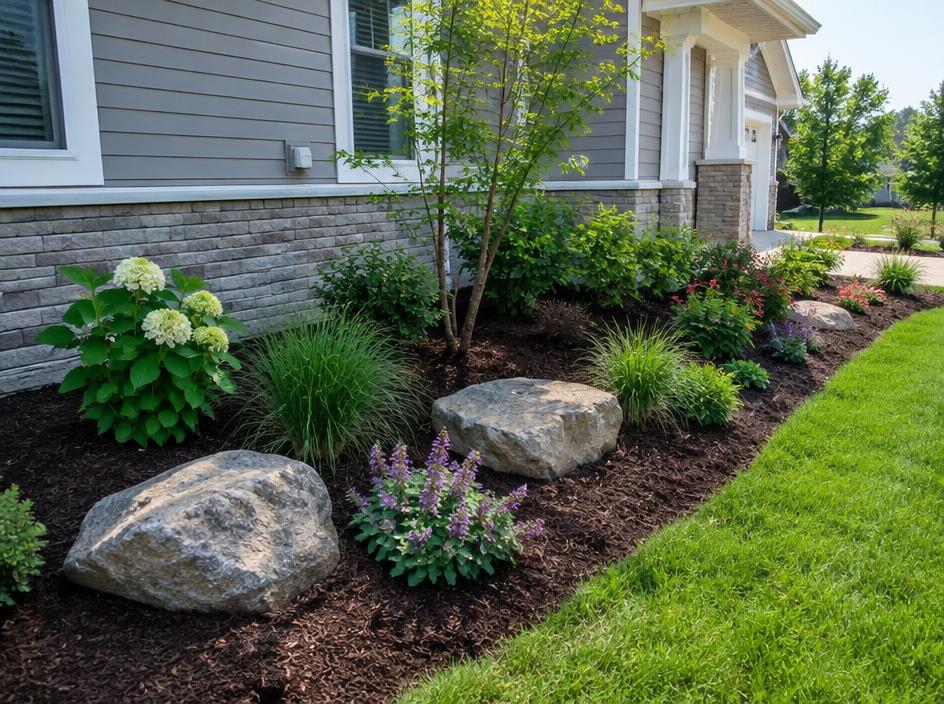
Planning a landscape in Colorado means designing for more than looks. Clay soils, dry summers, freeze and thaw cycles, local watering rules and, in many neighborhoods, HOA approval all shape what will work and what will last.
This guide walks through the planning order we recommend to homeowners across the Denver Metro area: define how the yard should work, study the site, settle drainage and surfaces, then choose plants and irrigation to match.
Start With How You Want To Use The Yard
Before picking plants or materials, write down what the outdoor space needs to do. A family with young children may need open lawn and a clear sightline from the kitchen. Someone who entertains may want a patio sized for a table and grill. A homeowner who travels may care most about beds that do not need weekly attention.
Mark the features that stay: trees worth keeping, fences, sheds, utility boxes, AC units and gates. Then separate must-haves from nice-to-haves. That list becomes the brief for the design and keeps the budget focused on the changes that matter most.
Think About Every Season
Colorado yards spend a large part of the year dormant or under snow. Consider where snow is piled from the driveway, which paths need to stay usable in winter and what the yard looks like in February, not only in June. Evergreen shrubs, ornamental grasses and structure such as walls or boulders keep the space from looking empty in the off season.
Understand Your Site Before Choosing Materials
Spend time watching the yard. Note which areas get full afternoon sun, which stay shaded, where wind hits hardest and where water sits after a storm or spring snowmelt. These observations matter more than any photo you find online.
Soil And Drainage
Many Denver Metro area properties sit on heavy clay, and newer builds often have compacted fill around the foundation. Clay holds water and drains slowly, so plant beds and lawn areas usually need soil preparation, and low spots need a plan before anything is planted.
Water should always move away from the house. If you already see pooling, soggy turf or ice forming on walks, deal with it early through yard drainage and irrigation work so finished beds and patios are not disturbed later.
Rules That Apply Before You Dig
A few checks belong at the start of every plan:
- Call 811 to have underground utilities marked before any digging.
- Review HOA design guidelines and submit plans for approval if required.
- Confirm current watering rules and any turf limits with your water provider; several Denver Metro area cities set limits on new lawn and irrigation.
- Ask whether walls, larger patios or grade changes need a city permit.
Plan Hardscaping And Planting Together
Patios, walkways and edging define how people move through a yard, so they come first in the design. Size a patio for the furniture you actually own, allow comfortable widths on paths and keep step-downs and slopes gentle.
Our hardscaping and concrete services cover patios and walkways that are planned with drainage in mind, so new surfaces shed water away from the home rather than toward it.
Choose Plants For Their Mature Size
Plants are often chosen at the nursery size and end up crowding windows, paths or each other within a few years. Choose for mature height and spread, sun exposure and water needs, then group plants with similar watering needs into the same irrigation zone.
If cutting water use is a goal, xeriscaping can bring drought-tolerant planting, mulch and efficient drip irrigation into part or all of the design without turning the yard into bare rock.
Decide Where Lawn Belongs
Keep lawn where it is walked on and played on, and replace narrow strips and hard-to-water slopes with beds. For the areas that stay as lawn, compare natural sod and synthetic turf in our guide to sod and artificial turf installation.
Set A Practical Scope And Budget
The biggest cost drivers are usually site preparation, access for equipment, soil work, irrigation changes, the amount of hardscape and the size of plant material. Ask for each of these to be listed separately so you can compare options clearly.
If the full project is more than you want to do at once, agree on the overall layout first and build in phases. A typical order is drainage and grading, then irrigation lines and hardscape, then planting, and finally landscape lighting once paths and beds are in place.
Timing In Colorado
Spring and early fall are the most comfortable seasons for planting along the Front Range. Hardscape work can often continue later into the fall as long as the ground is not frozen. Booking design conversations in late winter gives time for HOA approval before the spring rush.
Plan Your Landscape With A Local Team
Lemon Property Services is based in Henderson, Colorado, and plans and installs landscapes for homeowners and HOA communities across the Denver Metro area. If you are ready to turn your list into a plan, explore our landscape design and installation service and request a free estimate.